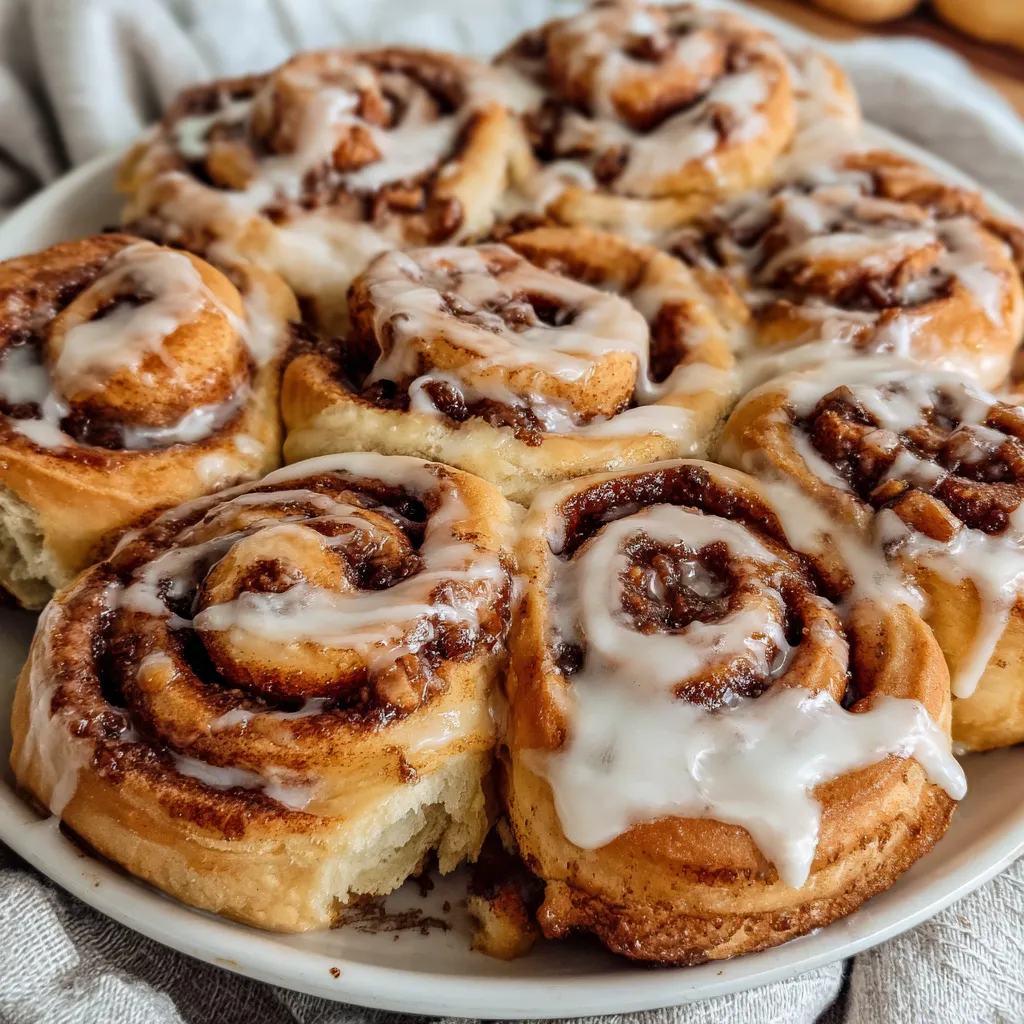
Bread Machine Cinnamon Rolls are the ultimate shortcut for home bakers who crave soft, sweet, and aromatic pastries without the hassle of hand‑kneading. By using your bread machine’s dough cycle, you can achieve a fluffy, buttery crumb that rivals bakery‑fresh rolls, while the cinnamon‑brown‑sugar swirl adds a comforting warmth perfect for weekend brunches or cozy mornings. Throughout this article you’ll discover tips for perfect dough texture, how to adjust the rise time for different climates, and creative frosting variations that use cream cheese, powdered sugar, and a hint of vanilla extra.
Why You’ll Love This Bread Machine Cinnamon Rolls
There is something magical about rolling out a soft, pillowy dough and watching it transform into golden‑brown spirals that melt in your mouth. The bread machine removes the most labor‑intensive part of the process—kneading—so you can focus on the fun parts: spreading the buttery cinnamon mixture and slicing the rolls. The result is a bakery‑quality product that feels homemade, with a tender crumb that holds the sweet filling without becoming soggy.
Another reason these rolls become a family favorite is their versatility. They work as a comforting breakfast on a lazy Sunday, a delightful brunch centerpiece, or even a sweet snack for an afternoon tea. The cream‑cheese icing adds a slight tang that balances the richness of the butter and brown sugar, creating a flavor profile that feels both indulgent and refined.
Equipment You’ll Need
While the bread machine does most of the heavy lifting, a few additional tools ensure a smooth workflow and consistent results. A sturdy rolling pin helps you achieve an even thickness for the dough, and a sharp serrated knife makes clean cuts for uniform rolls. A greased 9‑inch baking dish prevents sticking and promotes even browning. Finally, a small bowl for mixing the icing and a silicone spatula for spreading the butter and icing make the process tidy and efficient.
- Bread machine with dough setting
- Measuring cups and spoons
- Rolling pin
- Serrated knife
- 9‑inch greased baking dish
- Mixing bowls
- Silicone spatula
Ingredients for Bread Machine Cinnamon Rolls
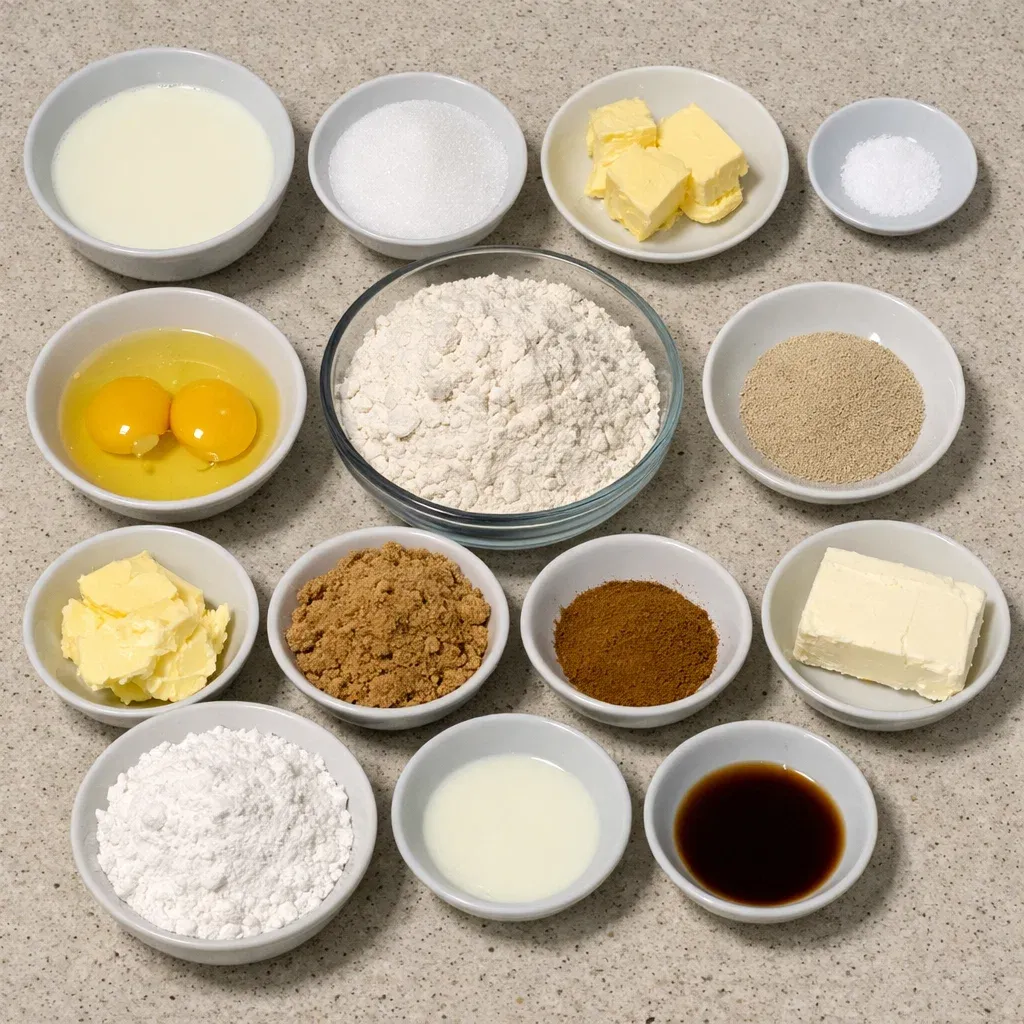
Gather these pantry staples before you start. Using high‑quality ingredients, especially real butter and pure vanilla extract, makes a noticeable difference in flavor and texture.
- 1 cup warm milk
- 1/3 cup granulated sugar
- 1/4 cup butter, softened (for dough)
- 1/2 teaspoon salt
- 2 large eggs
- 4 cups all‑purpose flour
- 2 ¼ teaspoons bread machine yeast
- 1/4 cup butter, softened (for filling)
- 1 cup brown sugar
- 2 tablespoons ground cinnamon
- 1 package cream cheese, softened
- 1/4 cup butter, softened (for icing)
- 2 cups powdered sugar
- 1 teaspoon vanilla extract
- 2‑3 tablespoons milk (for icing consistency)
Ingredient Substitutions
If you need to adjust the recipe, you can substitute whole milk for the warm milk or use a dairy‑free butter alternative for the filling and icing. For a lighter version, reduce the brown sugar by a quarter and increase the cinnamon slightly.
How to Make Bread Machine Cinnamon Rolls (Step‑By‑Step)
Step 1: Prepare the Dough in the Bread Machine
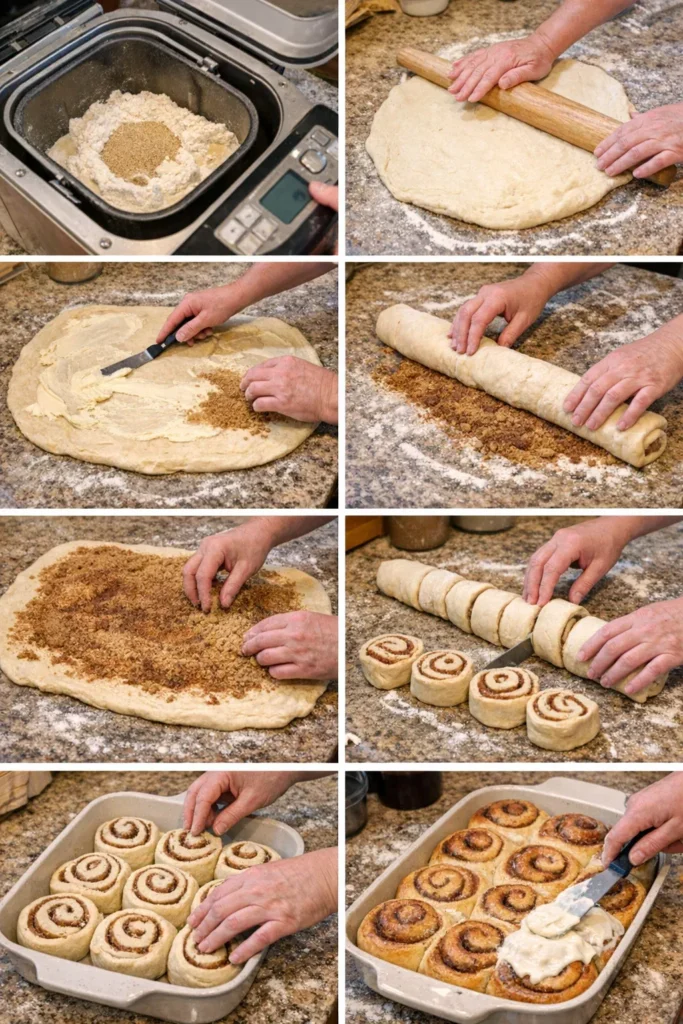
In the bread machine’s baking pan, add the warm milk, granulated sugar, softened butter, salt, and eggs. Sprinkle the flour over the liquid ingredients, then make a small well in the center of the flour and pour the yeast into it. This keeps the yeast separate until the machine begins mixing.
Step 2: Run the Dough Cycle
Select the “Dough” setting on your machine and start it. The machine will mix, knead, and give the dough its first rise. This usually takes about 1 hour, during which the dough will double in size and become smooth and elastic.
Step 3: Shape the Dough
When the cycle finishes, lightly flour a clean work surface and turn the dough out onto it. Using a rolling pin, roll the dough into a rectangle roughly 12×9 inches. Spread the 1/4 cup softened butter for the filling evenly over the surface.
Step 4: Add the Cinnamon‑Brown‑Sugar Mixture
In a small bowl, combine the brown sugar and ground cinnamon. Sprinkle this mixture evenly over the buttered dough, ensuring full coverage for consistent flavor in every roll.
Step 5: Roll and Cut the Dough
Starting from the long edge, roll the dough tightly into a log. Using a serrated knife, cut the log into 12 equal pieces. Place each piece seam‑side up in a greased 9‑inch baking dish, leaving a little space between them.
Step 6: Second Rise
Cover the dish with a clean kitchen towel and let the rolls rise in a warm spot until they have nearly doubled, about 30 minutes. This second rise creates the airy interior that defines a great cinnamon roll.
Step 7: Bake the Rolls
While the rolls are rising, preheat your oven to 350°F (175°C). Once risen, bake the rolls for 25‑30 minutes, or until the tops are a deep golden brown and a toothpick inserted near the center comes out clean.
Step 8: Prepare the Cream‑Cheese Icing
In a mixing bowl, beat together the softened cream cheese, 1/4 cup softened butter, powdered sugar, vanilla extract, and enough milk to reach a smooth, pourable consistency. The icing should be thick enough to coat the rolls but fluid enough to drizzle.
Step 9: Ice the Warm Rolls
Immediately after removing the rolls from the oven, spread or drizzle the icing over the warm pastries. The heat will melt the icing slightly, allowing it to seep into the crevices and create a glossy finish.
Variations and Twists
Once you master the classic version, feel free to experiment. Add chopped nuts to the filling for extra crunch, or swirl in a tablespoon of orange zest for a citrus note. For a holiday twist, incorporate a pinch of ground nutmeg and garnish with toasted pecans after icing. If you prefer a richer dough, substitute part of the all‑purpose flour with whole‑wheat flour, though this will produce a denser texture.
What to Serve With Bread Machine Cinnamon Rolls
These rolls pair beautifully with a cup of freshly brewed coffee, a glass of cold grape juice, or a simple fruit salad. For a more indulgent brunch, serve them alongside scrambled eggs, smoked salmon, or a light green salad dressed with a lemon vinaigrette. The sweet and buttery profile also complements a side of roasted breakfast potatoes.
Pro Tips for Perfect Results
- Use milk that is warm but not hot (around 110°F) to activate the yeast without killing it.
- Don’t over‑mix the dough in the machine; the built‑in timer is calibrated for optimal gluten development.
- For an extra glossy top, brush the rolls with a little melted butter before baking.
- Allow the rolls to cool only briefly before icing; this ensures the icing stays creamy rather than hardening.
- Store any leftovers in an airtight container at room temperature for up to three days, reheating gently in the microwave or oven.

Common Mistakes to Avoid
- Adding the yeast directly on top of the liquid instead of in a well can cause premature activation and affect rise.
- Using cold butter for the filling leads to uneven spreading and pockets of dry dough.
- Skipping the second rise results in dense rolls that lack the signature fluffiness.
- Over‑baking can dry out the interior; watch for a light golden color rather than a dark crust.
- Applying icing while the rolls are too hot can cause it to melt completely and slide off.
Storage, Reheating & Make‑Ahead Tips
To keep rolls fresh, let them cool completely, then wrap tightly in plastic wrap and place in an airtight container. For longer storage, freeze the un‑iced rolls on a parchment sheet, then transfer to a freezer bag. Reheat from frozen by covering with foil and baking at 350°F for 10‑12 minutes, then add fresh icing. If you plan ahead, you can prepare the dough and let it rise in the refrigerator overnight, then bake in the morning for a ready‑to‑serve breakfast.
Frequently Asked Questions
Can I use a stand mixer instead of a bread machine? Yes, you can knead the dough by hand or with a stand mixer on low speed for about 8‑10 minutes, then follow the same rising and shaping steps.
What if my dough is too sticky? Add a tablespoon of flour at a time until the dough pulls away from the sides of the bowl but remains soft.
How long do the rolls stay fresh? At room temperature, they stay soft for up to three days. Refrigeration extends freshness to about a week, while freezing can preserve them for up to two months.
Can I make a dairy‑free version? Substitute dairy‑free butter for the butter in the dough and filling, and use a plant‑based cream cheese alternative for the icing.
Do I need to let the rolls cool before icing? A brief cooling (5‑7 minutes) is ideal; they should still be warm enough for the icing to melt slightly but not so hot that it runs off.

Conclusion
With a little help from your bread machine, these cinnamon rolls become a stress‑free treat that tastes like it came from a bakery. Follow the steps, experiment with flavors, and enjoy the sweet aroma filling your kitchen each morning.
Print
Bread Machine Cinnamon Rolls Recipe
Description
Bread Machine Cinnamon Rolls Recipe
Keywords: Bread Machine Cinnamon Rolls