
Peanut Butter Easter Eggs are a delightful no‑bake treat that captures the bright spirit of spring holidays while satisfying sweet cravings with creamy peanut butter and silky white chocolate. This easy recipe requires just a handful of pantry staples—maple syrup, almond flour, powdered sugar, a pinch of salt, spirulina for speckles, vanilla extract, coconut oil, and white chocolate wafers—making it perfect for busy families. In just minutes you’ll blend, shape, freeze, dip, and finish each egg with a blue speckle, creating candy‑like morsels that look like robin’s eggs and melt in your mouth.!
Table of Contents
Why You’ll Love This Peanut Butter Easter Eggs
There is something magical about a bite‑size chocolate egg that looks like a real bird’s egg. The combination of smooth peanut butter and bright white chocolate creates a flavor contrast that feels indulgent yet light. Because the recipe is no‑bake, you avoid heating the peanut butter, preserving its natural creaminess and keeping the texture perfectly soft. The speckles of spirulina add a pop of color that makes each egg look hand‑painted, which is especially appealing to children who love bright, playful foods.
Beyond the visual appeal, the ingredient list is short and uses pantry staples you likely already have on hand. Maple syrup provides natural sweetness without the refined sugar overload, while almond flour adds a subtle nutty background that complements the peanut butter. The recipe also scales easily; you can double it for larger gatherings or halve it for a small family treat. Most importantly, the finished eggs keep well in the freezer, so you can make them ahead of time and enjoy them throughout the Easter weekend.
Equipment You’ll Need
- Mixing bowl (medium size)
- Silicone spatula
- Measuring cups and spoons
- Parchment‑lined baking sheet
- Freezer‑safe container
- Microwave‑safe bowl or double boiler for melting chocolate
- Small pastry brush (optional, for coating)
- Small spoon or piping bag for spirulina speckles
Having the right tools makes the process smoother and reduces cleanup time. A silicone spatula is ideal for mixing the sticky peanut butter mixture, while a parchment‑lined sheet prevents the eggs from sticking during the freezing and coating steps. If you don’t have a double boiler, a microwave works just as well—just heat in short bursts, stirring frequently, to avoid scorching the white chocolate.
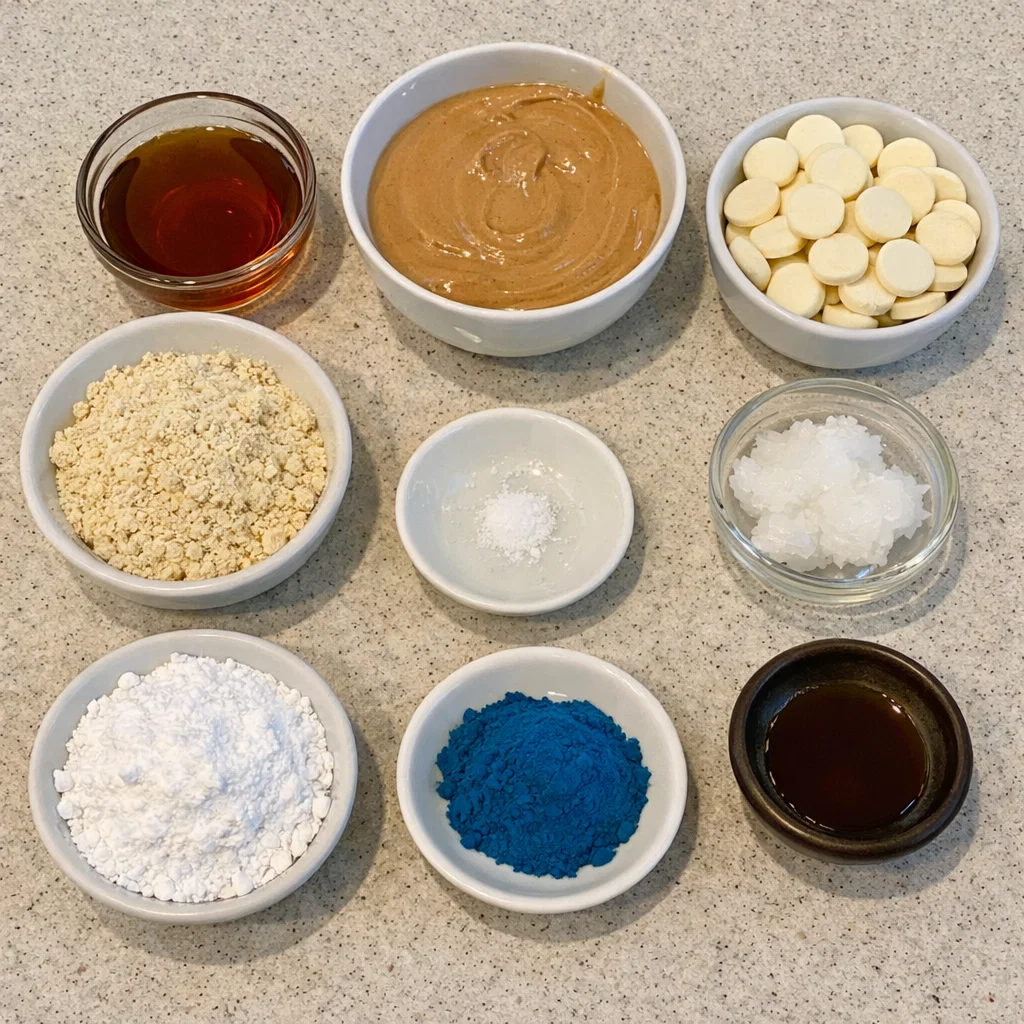
Ingredients for Peanut Butter Easter Eggs
- 1/4 cup maple syrup
- 1 1/4 cup runny peanut butter, natural
- 1/3 cup almond flour
- 1/4 cup powdered sugar
- 1 pinch salt
- 1/2 tsp spirulina powder (blue)
- 1/2 tsp vanilla extract
- 2 tsp coconut oil
- 8 oz white chocolate melting wafers
Ingredient Substitutions
If you prefer a different sweetener, agave nectar can replace maple syrup with a similar consistency. For those with nut allergies, a seed‑based butter such as sunflower seed butter works in place of peanut butter, though the flavor profile will change. Coconut oil can be swapped for a neutral oil like canola if you dislike coconut flavor, but the glossy finish on the chocolate may be slightly less shiny.
How to Make Peanut Butter Easter Eggs (Step-by-Step)
Step 1: Prepare the Peanut Butter Mixture
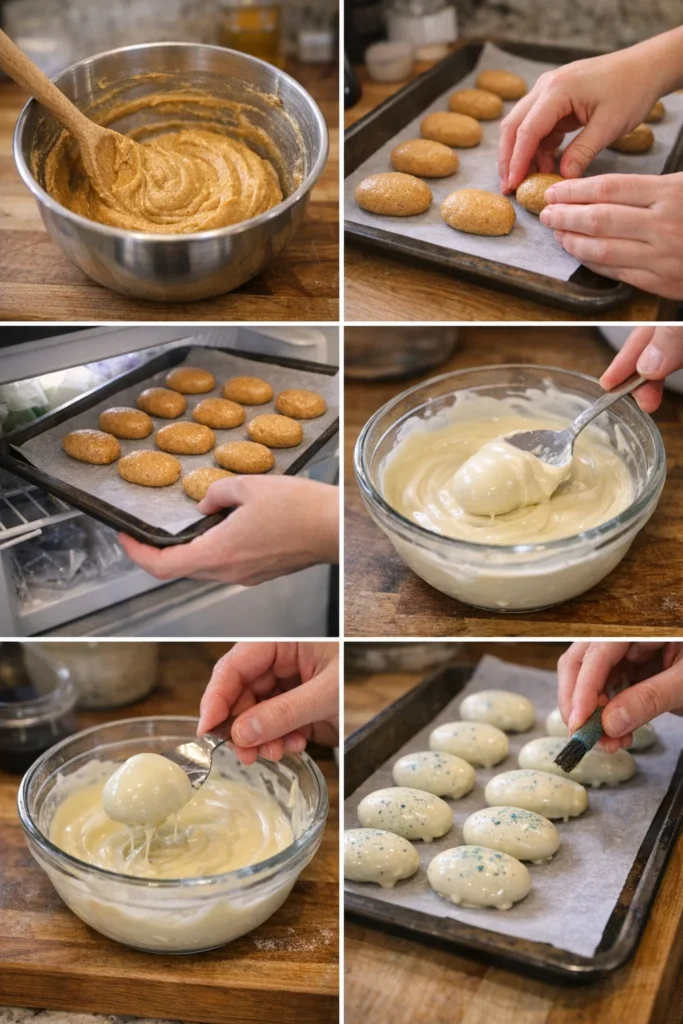
In a medium mixing bowl, combine the runny peanut butter, maple syrup, almond flour, powdered sugar, and a pinch of salt. Stir with a silicone spatula until the mixture is smooth and uniform. The almond flour helps give the mixture body, while the powdered sugar adds just enough sweetness without making the mixture too runny. Add the vanilla extract and mix again for a fragrant undertone.
Step 2: Shape and Freeze the Eggs
Using your hands, portion the mixture into small egg‑shaped nuggets—approximately one to one‑and‑a‑half inches long. Place each nugget on a parchment‑lined baking sheet, spacing them a little apart. Once all are shaped, transfer the sheet to the freezer and let the eggs firm up for about 30 minutes. This step is crucial because a solid base holds up better when dipped in chocolate.
Step 3: Melt the White Chocolate
While the peanut butter eggs are freezing, melt the white chocolate wafers. Place the wafers in a microwave‑safe bowl and add the coconut oil; the oil helps the chocolate stay fluid for a smoother coating. Heat in 20‑second intervals, stirring between each burst, until the chocolate is completely melted and glossy. If you prefer a stovetop method, set a double boiler over simmering water and stir until smooth.
Step 4: Dip the Eggs
Remove the frozen peanut butter eggs from the freezer. Using a pastry brush or your fingers, dip each egg into the melted white chocolate, turning gently to coat all sides. Allow excess chocolate to drip back into the bowl, then place the coated eggs back onto the parchment sheet. The chocolate should harden quickly, but you can speed this up by returning the sheet to the freezer for another 10 minutes.
Step 5: Add the Spirulina Speckles
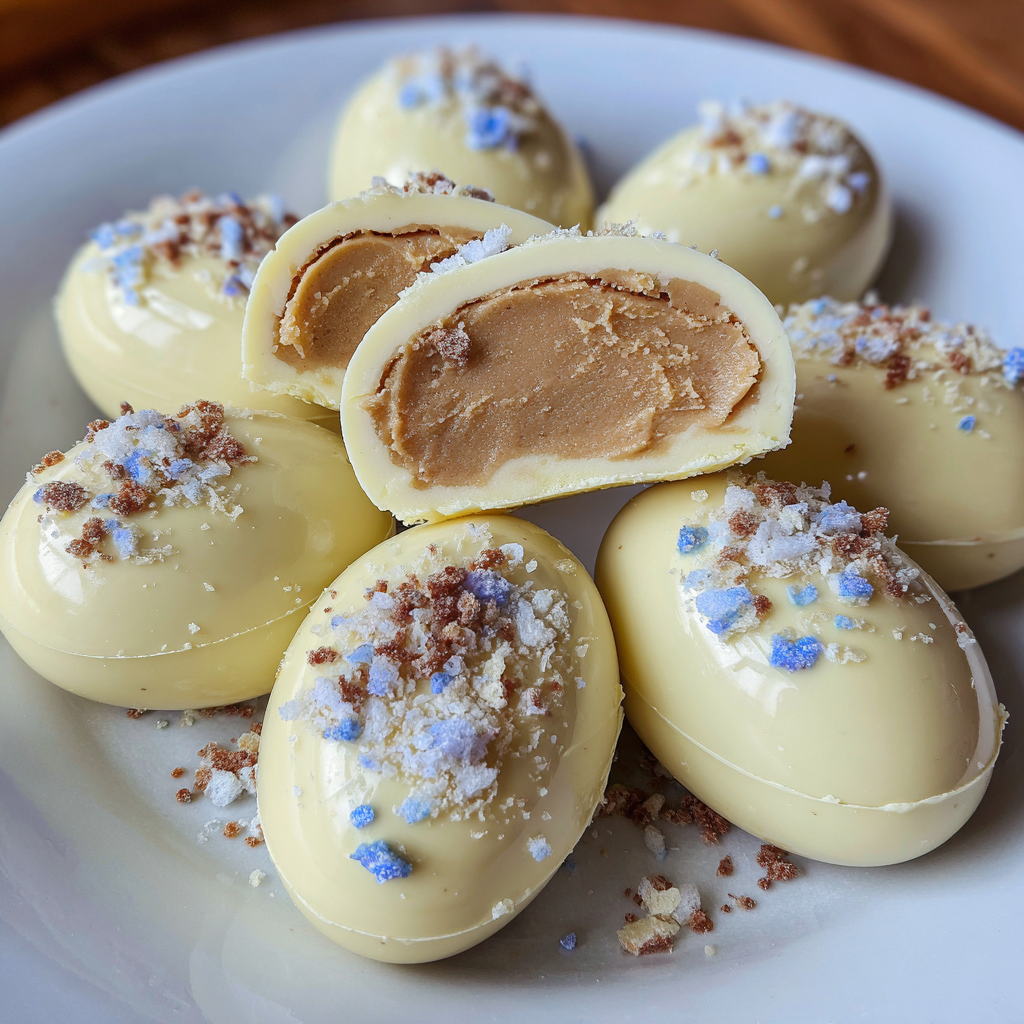
Once the chocolate has set, sprinkle a pinch of blue spirulina over each egg. For a more precise speckle pattern, use a small spoon or a piping bag fitted with a tiny tip. The spirulina not only adds a festive color but also provides a subtle earthy note that balances the sweetness. Let the speckles dry for a minute, then transfer the finished eggs to an airtight container.
Variations and Twists
While the classic version uses white chocolate, you can experiment with other coatings. Dark chocolate provides a richer flavor contrast, while milk chocolate adds extra sweetness. For a holiday twist, add a dash of orange zest to the peanut butter mixture for a citrusy hint that pairs well with the chocolate. If you want a crunchy texture, fold in finely chopped toasted almond slivers into the peanut butter base before shaping.
Another fun variation is to incorporate a swirl of caramel or honey into the peanut butter mixture. Create a marble effect by dragging a knife through the two colors before freezing. This creates a visual appeal similar to marbled chocolate eggs you might find in specialty stores.
What to Serve With Peanut Butter Easter Eggs
These eggs are perfect as a standalone snack, but they also shine when paired with complementary items. Serve them alongside a fresh fruit platter featuring strawberries, kiwi, and orange segments for a burst of acidity. A glass of chilled grape juice or a warm cup of herbal tea balances the richness of the chocolate. For a more indulgent brunch, place the eggs on a bed of lightly sweetened whipped cream and sprinkle with extra spirulina for color.
Pro Tips for Perfect Results
- Use runny natural peanut butter; it mixes more easily and yields a smoother interior.
- Keep the chocolate and coconut oil ratio at about 4:1 for a glossy, snap‑ready coating.
- Work quickly when dipping; the chocolate can begin to set if it sits too long.
- Freeze the eggs fully before dipping to prevent them from melting in the chocolate.
- Store finished eggs in a single layer inside an airtight container to avoid them sticking together.
Common Mistakes to Avoid
- Over‑mixing the peanut butter mixture can make it too soft, causing the eggs to lose shape.
- Skipping the freezing step leads to a soggy chocolate coating that cracks.
- Using low‑quality white chocolate results in a dull finish and grainy texture.
- Applying too much spirulina creates an overpowering flavor; a light dusting is sufficient.
- Leaving the coated eggs at room temperature for too long causes the chocolate to bloom.
Storage, Reheating & Make-Ahead Tips
Store the finished Peanut Butter Easter Eggs in an airtight container in the freezer for up to three weeks. When you’re ready to serve, simply transfer the desired number to the refrigerator for 10‑15 minutes to soften slightly; they will still retain their shape and snap. If you prefer a softer bite, let the eggs sit at room temperature for about five minutes before serving. Re‑melting the chocolate coating is not recommended, as it can affect the texture and appearance.
Frequently Asked Questions
Q: Can I use a different sweetener instead of maple syrup?
A: Yes, agave nectar or honey work well, though they will add a slightly different flavor profile.
Q: Is spirulina necessary?
A: Spirulina is mainly for color; you can omit it if you prefer plain white chocolate eggs.
Q: How long do the eggs stay fresh in the freezer?
A: They remain at peak quality for about three weeks when stored in an airtight container.
Q: Can I make a vegan version?
A: Substitute the peanut butter with a plant‑based alternative such as sunflower seed butter, and ensure your white chocolate wafers are dairy‑free.
Conclusion
Peanut Butter Easter Eggs bring together the joy of spring celebrations and the comfort of homemade sweets. With a short prep time, simple ingredients, and a fun speckled finish, they are an ideal treat for families, parties, or a personal indulgence. Follow the steps, experiment with variations, and enjoy the bright, buttery delight that these little chocolate‑coated eggs provide.
Print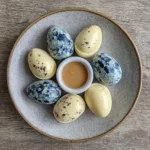
Peanut Butter Easter Eggs: Easy No-Bake Spring Treats for Kids
- Total Time: 35 minutes
- Yield: 12 eggs 1x
- Diet: Vegetarian
Description
These Peanut Butter Easter Eggs are a no‑bake spring dessert that combines silky white chocolate with creamy peanut butter, maple syrup sweetness, and a dash of spirulina for cute speckles. Perfect for Easter celebrations, the recipe yields 12 bite‑size treats in under an hour, requiring only pantry staples and simple equipment. Ideal for kids and adults, these chocolate‑coated eggs are easy to make, store well, and add a festive pop of color to any holiday spread. Serve with cold milk and joy!!
Ingredients
- 1/4 cup maple syrup
- 1 1/4 cup runny peanut butter, natural
- 1/3 cup almond flour
- 1/4 cup powdered sugar
- 1 pinch salt
- 1/2 tsp spirulina powder (blue)
- 1/2 tsp vanilla extract
- 2 tsp coconut oil
- 8 oz white chocolate melting wafers
Instructions
- Step 1: In a mixing bowl, combine peanut butter, maple syrup, almond flour, powdered sugar, and salt. Stir until smooth.
- Step 2: Shape mixture into egg shapes and place on a lined baking sheet. Freeze for about 30 minutes.
- Step 3: Melt white chocolate wafers with coconut oil until smooth.
- Step 4: Dip each frozen egg into melted chocolate, ensuring full coverage. Return to sheet.
- Step 5: Freeze dipped eggs until set, then sprinkle spirulina speckles. Store in airtight container.
Notes
- Use natural runny peanut butter for best texture. Ensure chocolate is fully melted and glossy before dipping. Freeze eggs completely before coating to prevent melting. Speckles are optional but add a festive look.
- Prep Time: 20 minutes
- Cook Time: 15 minutes
- Category: Dessert
- Method: No-Bake
- Cuisine: American
Nutrition
- Serving Size: 1 egg
- Calories: 150
- Sugar: 12g
- Sodium: 45mg
- Fat: 9g
- Saturated Fat: 3g
- Unsaturated Fat: 5g
- Trans Fat: 0g
- Carbohydrates: 12g
- Fiber: 2g
- Protein: 4g
- Cholesterol: 0mg
Keywords: Peanut Butter Easter Eggs, easy Easter candy, peanut butter candy recipe, no bake Easter treats, spring dessert ideas, how to make chocolate covered peanuts, Easter egg desserts, homemade peanut butter sweets, quick holiday snacks